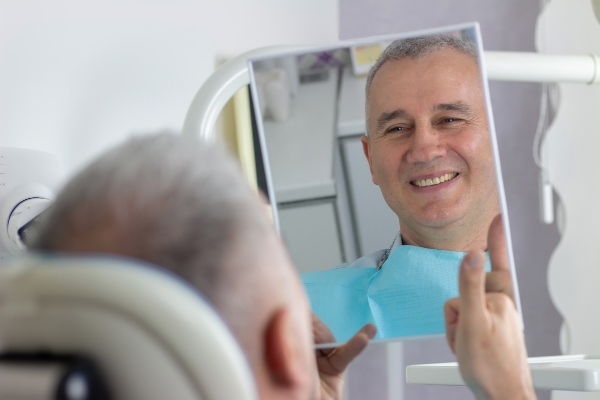
 A dental filling is a simple yet essential solution for addressing cavities and restoring a tooth's natural structure. Treating decay early with a filling allows patients to preserve their teeth, avoid more extensive procedures, and maintain long-term oral health. This effective treatment not only repairs damage but also prevents further complications that could lead to tooth loss or infection.
Understanding dental fillings
Dental fillings are materials used to restore the function and appearance of a tooth after decay or damage. The process involves removing the decayed portion of the tooth and filling the area with a durable material such as composite resin, amalgam, gold, or porcelain. However, the most common materials are composite and porcelain. The dentist will select the material based on the location of the tooth, the extent of damage, and the patient's overall needs.
The goal of a dental filling is to seal the tooth and prevent bacteria from entering the affected area. This helps protect the tooth from further decay and maintains its structural integrity. Dental fillings are a reliable way to ensure that teeth remain functional and strong.
Benefits of dental fillings
The primary benefit of dental fillings is the preservation of natural teeth. By addressing decay early, the need for more invasive treatments, such as crowns or root canals, is often avoided. Additionally, the dentist can match the color of natural teeth using composite resin or porcelain material, ensuring a seamless and aesthetically pleasing appearance.
Dental fillings also help maintain the strength of the tooth. By filling the cavity, the tooth is reinforced and can withstand the pressures of chewing and daily use. This prevents cracks or features that might occur if the decay were left untreated.
The dental filling process
Receiving a dental filling is straightforward and typically requires only one appointment. The dentist begins by examining the affected tooth and removing the decayed portion. Because the tooth may be sensitive, the dentist may also employ a local anesthetic to enhance comfort during the procedure. Next, they clean and disinfect the area before carefully applying and shaping the filling material. While the material tends to dry quickly, the dentist may still use a special light to speed up the process.
Lastly, the dentist coaches the patient through a series of tests, testing their bite. They may need to make minor adjustments to ensure the tooth functions properly and the fillings last for as long as possible, with the average being 10 years with proper care.
Caring for dental fillings
Immediately following the procedures, patients are able to return home or work. However, it is good to note that the anesthetic may still remain in effect for a few hours after the procedure. Therefore, tasting food and drinks may be a challenge. Further, for the first 24 hours, patients should avoid eating foods that are too hard, tough, sticky, or could otherwise dislodge the dental filling. They should also avoid flossing around the recently treated tooth during this time.
However, after this initial period, patients should return to a diligent oral hygiene routine, making sure to floss once daily, brush twice daily, and use antimicrobial mouthwash. Lastly, patients should maintain their biannual dental appointments to allow the dentist to focus not only on the restoration but also on their overall oral health to prevent the need for another filling.
Preserve your oral health with dental fillings
Dental fillings are a practical and effective solution for preserving natural teeth and maintaining oral health. By addressing decay promptly and reinforcing the tooth, a dental filling protects against further damage and promotes long-term functionality. For patients seeking a simple way to safeguard their smile, contact Smile Solutions and schedule a consultation.
Request an appointment or call Smile Solutions at 620-670-9817 for an appointment in our Pittsburg office.
Related Posts
A new dental filling restores tooth structure, and smart aftercare helps it last. Understanding the importance of care and maintenance after you get a new filling can significantly improve your dental health and overall well-being. The following tips can help you maintain optimal oral hygiene to protect and extend the lifespan of your dental fillings. Patients…
Restoring your damaged tooth with a dental filling is an easy procedure. It can stop the tooth’s damage from worsening. The general dentist will share aftercare instructions to enhance your oral health. Here are the ways a dental filling can elevate your oral health.Studies reveal that the enamel is the strongest substance in the body.…
Curious about dental fillings? Read on to learn more. Tooth cavities can be uncomfortable and a dental filling is necessary to resolve the issue. Your best bet is to prevent the condition from occurring in the first place. That requires a strict oral hygiene routine and regular dental checkups with a general dentist. Dental appointments…