Dental Fillings: What to Expect, Types, and Potential Issues
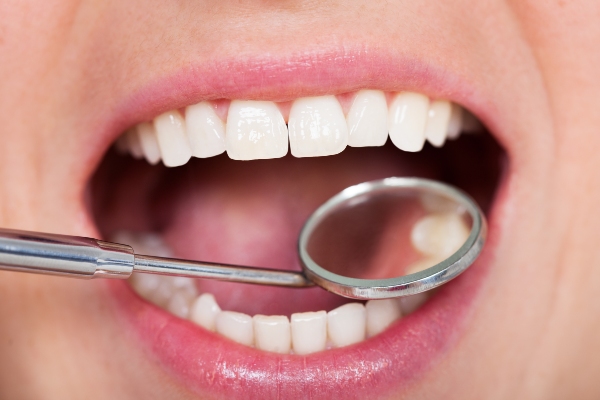 Your general dentist will discuss your dental filling treatment during the consultation. This visit will explain the process of getting this restoration. It is a chance for you to ask the right questions about it. Here are the types, possible problems, and things to look forward to from a dental filling treatment.
Things to anticipate
The general dentist will check the patient’s teeth and gums. Examining the tooth will determine how deep the decay damage is. A local anesthetic will numb the area. This step will ensure the patient’s comfort during the procedure.
Removing the decayed sections of the tooth will come next. The general dentist will use a laser or drill to do so. This process will prevent more infection and decay from developing. Cleaning, disinfecting, and drying the cavity will follow.
Choosing the dental filling material will depend on the preference and location of the cavity. The dentist will apply the right dental filling. A curing light will fix the filling in place. Polishing the treated tooth to ensure it fits into the person’s bite will follow.
The different types of dental filling
A complete assessment of the decayed tooth will determine the type of material the dentist will use. The cavity’s location and the patient’s preference will help decide the right filling. The dentist will explain each type of dental filling to the patient. The following are the most common ones available:
- Ceramic or porcelain fillings are stain-resistant and durable. These restorations are also unnoticeable but more expensive than the other options.
- Amalgam fillings contain copper, tin, silver, and mercury.
- Composite fillings are made of resin. These restorations can match the color of the natural tooth. They are ideal for teeth that are readily visible during dental functions. These fillings can last for about five to 10 years.
- Glass ionomer fillings are made of acrylic and glass. These fillings release fluoride, which helps shield the tooth from more decay. Glass ionomer fillings are less durable than the other types.
- Gold fillings can last for at least 20 years. These fillings are biocompatible and readily accepted by the body. These restorations are the most expensive of all dental filling materials.
Possible problems
The general dentist will also discuss the potential issues that a dental filling can cause. This treatment involves the manipulation of the tooth structure. The treatment area may be deep enough to reach the inner layers. Below are the possible issues to face after getting a dental filling:
- Tooth sensitivity can occur if the individual consumes cold or hot foods and drinks after the treatment. This issue will fade over time.
- Damage to the filling can happen because of decay, trauma, and bruxism. The patient must immediately see the general dentist to repair the dental filling.
- Decay can develop around the filling. The dentist can apply dental sealants and fluoride treatments to the treated tooth to prevent this issue.
- An allergic reaction to the dental filling is an issue for some individuals. Replacing the filling material can ease the symptoms.
- Although rare, an infection may develop in the treated tooth.
- Pain or discomfort may be the result of an uneven dental filling.
Prepare well for your dental filling for better oral health
You must meet with your general dentist to understand everything about your upcoming dental filling treatment. Understanding the mentioned details can help smoothen the process. It can even help prepare you for the aftercare stage of the treatment. Work with your general dentist to achieve a healthier smile.
Request an appointment or call Smile Solutions at 620-670-9817 for an appointment in our Pittsburg office.
Related Posts
A new dental filling restores tooth structure, and smart aftercare helps it last. Understanding the importance of care and maintenance after you get a new filling can significantly improve your dental health and overall well-being. The following tips can help you maintain optimal oral hygiene to protect and extend the lifespan of your dental fillings. Patients…
Restoring your damaged tooth with a dental filling is an easy procedure. It can stop the tooth’s damage from worsening. The general dentist will share aftercare instructions to enhance your oral health. Here are the ways a dental filling can elevate your oral health.Studies reveal that the enamel is the strongest substance in the body.…
Curious about dental fillings? Read on to learn more. Tooth cavities can be uncomfortable and a dental filling is necessary to resolve the issue. Your best bet is to prevent the condition from occurring in the first place. That requires a strict oral hygiene routine and regular dental checkups with a general dentist. Dental appointments…