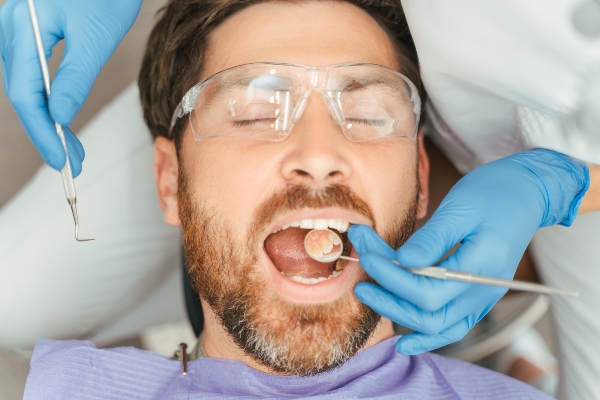
 Most adults will need to get a dental filling at some point in their lives. Fillings composed of composite, metal, or ceramic materials are inserted into vulnerable areas in the teeth after decay has been removed, to shore up the tooth against further bacterial infiltration.
However, fillings come in many types, and if this is your first experience, you might not know what to expect. Before your appointment, it is helpful to understand the types of fillings available, the overall procedure for installing one, and the benefits of doing so.
The types of dental fillings
Fillings come in many varieties, and the right one for a patient will depend on factors that range from budgetary constraints to how much bite force the filling will need to endure. In general, though, there are three main types that patients can choose from:
- Amalgam: Also called silver fillings, amalgams last a long time but are extremely visible due to their silver or gray color from the metal composition.
- Composite resin: Powdered glass or silica make up composites, which are generally affordable and match a patient’s teeth color.
- Porcelain: Porcelain fillings are durable and long-lasting, but they can be one of the more expensive options.
How a filling is installed
No matter which type of filling a patient selects, the dentist will typically prepare the area in the same way. They will begin by isolating the tooth, applying any pain relief or numbing necessary, and then using drills and grinders of different sizes to carve away the enamel that has been affected by decay.
Once only healthy tooth material remains, the dentist will prepare the filling. Depending on the filling type, it may need to be mixed first, or they may need to prep a syringe (for careful application, not for injecting into the patient!). Then, they will install the filling material, making sure it completely covers the excised area. It may cure on its own, or it may need additional curing to harden.
Once the filling is hard, patients can test their new bite. If anything feels rough, sharp, or out of place, the dentist can make refinements until everything is comfortable.
The advantages of dental fillings
A dental filling is one of the simplest and most effective ways to keep teeth safe after they have been affected by decay. Fillings are beneficial for patients’ oral health because they:
- Require minimal enamel removal
- Come in many forms for versatile applications and patient budgets
- Do not require extensive healing time
- Can stand up to bite forces, speech, and acidic foods
- Enable the patient to keep their natural teeth as long as possible
- Can be indistinguishable from teeth surfaces
- Stop tooth decay before the tooth is threatened
Get your dental filling as soon as possible
If you need a dental filling, there is nothing to worry about! This simple procedure will help your natural tooth recover from decay so it stays around for as long as possible. Contact our office to schedule your filling or ask questions about the process.
Request an appointment or call Smile Solutions at 620-670-9817 for an appointment in our Pittsburg office.
Related Posts
A new dental filling restores tooth structure, and smart aftercare helps it last. Understanding the importance of care and maintenance after you get a new filling can significantly improve your dental health and overall well-being. The following tips can help you maintain optimal oral hygiene to protect and extend the lifespan of your dental fillings. Patients…
Restoring your damaged tooth with a dental filling is an easy procedure. It can stop the tooth’s damage from worsening. The general dentist will share aftercare instructions to enhance your oral health. Here are the ways a dental filling can elevate your oral health.Studies reveal that the enamel is the strongest substance in the body.…
Curious about dental fillings? Read on to learn more. Tooth cavities can be uncomfortable and a dental filling is necessary to resolve the issue. Your best bet is to prevent the condition from occurring in the first place. That requires a strict oral hygiene routine and regular dental checkups with a general dentist. Dental appointments…